
Condos · Vertical cadastre
Condominium surveys: vertical cadastre and condo certificates
In short
To create a divided co-ownership (the Quebec equivalent of a condominium), each unit must become a separate lot in the Quebec cadastre, as do the common portions. This is the vertical cadastre, prepared by a land surveyor from the building plans and measurements. Once the building is a condo, selling a unit generally requires a certificate of location for that unit.
When do you need it?
- You're developing a condo building
- You want to convert a plex or existing building into divided co-ownership
- You're selling or refinancing a condo
- An undivided co-ownership wants to become divided
- The syndicate is changing common portions or adding on
What the mandate includes
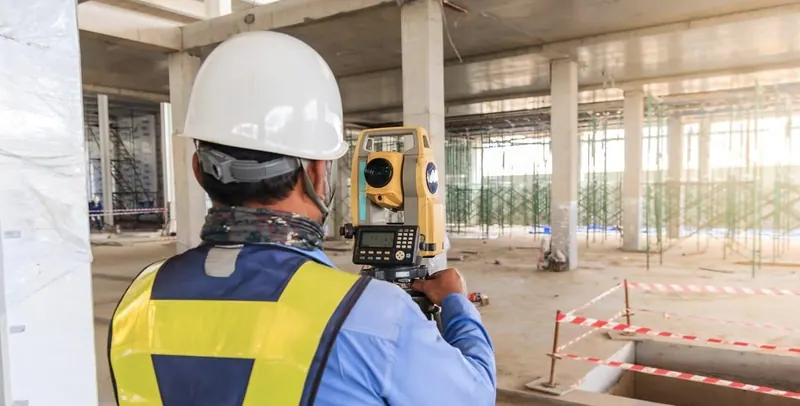
- Review of architectural plans and on-site measurements
- Vertical cadastre plans: private and common portions, in plan and elevation
- Coordination with the notary drafting the declaration of co-ownership
- Filing with the ministry and follow-up
- Certificate of location for a condo unit
Divided or undivided co-ownership
In divided co-ownership, each owner holds their unit as a separate lot, plus a share of the common portions. In undivided co-ownership, the owners jointly own the whole building, and an agreement governs who uses which unit. Undivided co-ownership doesn't need a vertical cadastre, but it often makes financing and resale harder, which is why many groups of owners choose to convert.
The condo certificate of location
It describes the private portion, its situation in the building and the building's situation on the land. It also flags what affects the whole co-ownership, such as setbacks or servitudes. Have the declaration of co-ownership and available plans from the syndicate ready: they speed things up.
Resort condos
In Mont-Tremblant, Saint-Sauveur and around the big lakes, many condos are bought by people from outside the region who don't know the certificate of location or how long it takes. Ordering it as soon as the unit is listed keeps the sale from waiting on it.
Useful documents to send us
- The declaration of co-ownership (existing condo)
- The building's architectural plans
- The deed or lot number
- The notary's name and signing date
None of this is required to get a quote. The address is enough to get started.
Steps
How it works
-
Review
We review the building, plans and titles.
-
Measurements
We measure the building and units on site.
-
Plans
We prepare the vertical cadastre or the condo certificate of location.
-
Filing or delivery
We file the plans with the ministry or send the certificate to the notary.
Selling a condo? The certificate is often the last missing piece.
Service areas
Condominium surveys from Laval to Mont-Tremblant
Our office is in Val-David. Pick your town to see what makes it different.
Detailed pages for this service
FAQ
Frequently asked questions: condo surveys
Why does my condo have several lot numbers?
In some buildings, the parking space or storage locker is a separate lot. In others, they're common portions for restricted use. The declaration of co-ownership tells you which.
How long does a vertical cadastre take?
Allow for the survey, plan preparation and processing by the ministry. We give you an estimate after reviewing the building.
Related services
Other services for buildings
Subdivision and cadastral operations
Cadastral operations in general.
Certificate of location
For a house or undivided building.
Technical description
For a right over part of a lot.
Helpful guides
-
Guide
When do you need a certificate of location?
Selling, refinancing, an addition, a new pool: when you need a new certificate, and when the old one may still do.
No-obligation quote
Request your quote: condominium surveys
Send us the property address and your deadline. We'll call to confirm the details, then send you a written price and timeline.
- 418 265-9419
- info@arpenteurlaurentides.com
- 1534, rue Vinet, Val-David, QC J0T 2N0
- Monday to Friday, 8 a.m. to 5 p.m.